Agriculture
We also propagate and distribute fruit-bearing and indigenous trees, supporting household nutrition while contributing to environmental restoration and biodiversity.
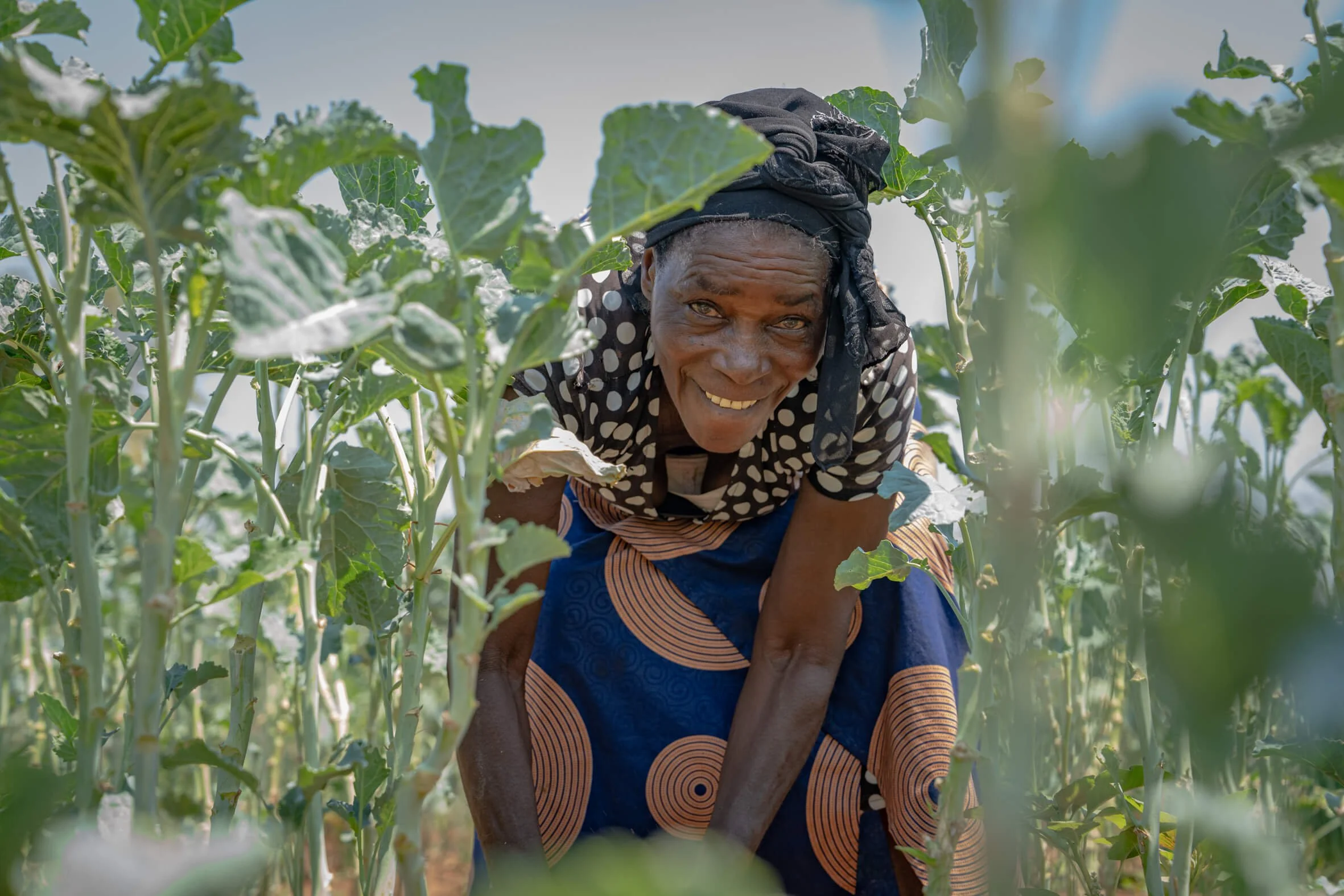
Where solar-powered high-capacity boreholes/wells have been installed, Jafuta Foundation establishes community nutritional gardens. These gardens provide fresh produce to hundreds of families, particularly during the long dry season, strengthening food security and reducing vulnerability to climate shocks.
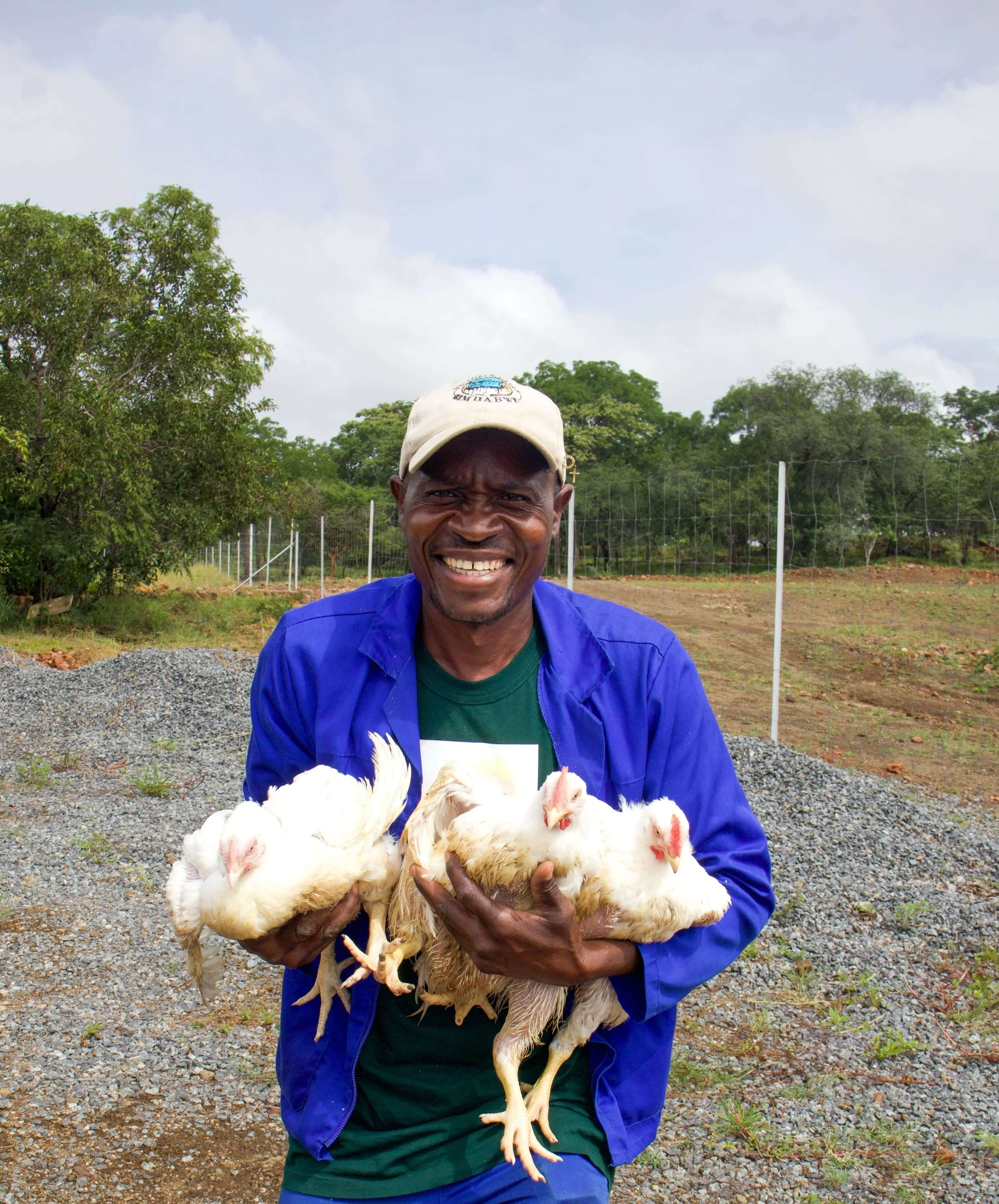
Our livestock programme responds to the urgent need for genetic improvement caused by years of inbreeding. By introducing pure-bred bloodlines in cattle, goats, pigs, and chickens, the programme improves herd quality and productivity. It also includes training and support for women’s groups, the provision of breeding stock for income generation, and the production of protein to supplement our children’s school feeding programmes.
Together, these integrated agricultural initiatives improve nutrition, build resilience, protect the environment, and create sustainable livelihoods for rural communities..
Food security is at the core of Jafuta Foundation’s agricultural programmes. The rural areas we serve are semi-arid, with low and unreliable rainfall, making adaptability to changing climatic and environmental conditions essential. Our approach focuses on climate-smart agriculture that responds to these realities while prioritising nutrition, resilience, and sustainable livelihoods.
Jafuta Foundation delivers agricultural training programmes that promote adaptive farming practices and highlight the nutritional value of what is grown. Through our arboretum and nursery, we have produced and distributed over 8,000 chaya (tree spinach) plants—a fast-growing, drought-resistant and highly nutritious crop with significant health benefits. Households receive training in safe preparation and propagation, enabling families to grow their own food, share plants within the community, and sell surplus locally to generate income.